Introduction
Customers expect real-time, one-on-one interactions from their favorite brands today.
WhatsApp is the premier channel for delivering personalized experiences directly to the user’s pocket.
Effective engagement on this platform requires strategic planning and strict adherence to specific rules.
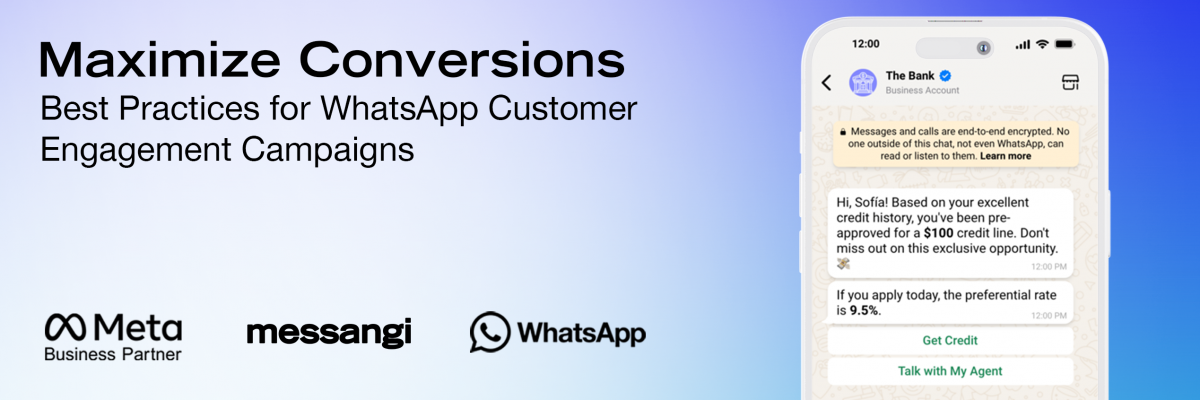
Implementing the Best Practices for WhatsApp Customer Engagement Campaigns is essential for any enterprise aiming for scale.
Key Takeaways
- Effective campaigns prioritize opt-in consent and strictly adhere to Meta’s guidelines to maintain high quality scores.
- Best Practices for WhatsApp Customer Engagement Campaigns rely on advanced segmentation and trigger-based automation.
- Messages must be highly personalized and deliver clear, immediate value to the customer to avoid being blocked.
- Leveraging rich media and interactive buttons significantly boosts conversion rates and drives customer action within the chat.
Why Engagement on WhatsApp Requires a New Playbook?
Shifting from Noise to Nurturing
WhatsApp requires personalized messaging tailored to each customer’s behavior and journey. Relevant messages are welcomed, but spam-like ones lead to blocks that damage your platform’s credibility.
- High-Stakes Channel: WhatsApp is personal, meaning low-quality messages severely damage brand trust.
- Quality Score Impact: Block and spam reports directly lower your quality score, potentially limiting your sending capacity.
- The Value Proposition: Every campaign must provide clear, actionable value, such as a time-sensitive update or a highly personalized offer.
Best Practices for WhatsApp Customer Engagement Campaigns
Pillar 1: Consent and Compliance is the Foundation
The most crucial part of WhatsApp engagement best practices is securing clear, verifiable user opt-in. Without it, your campaign violates policy and risks being suspended.
Securing a Clear Opt-In
- Transparency: Clearly display the WhatsApp icon next to the opt-in checkbox on your website, app, or point-of-sale.
- Specificity: Don’t use generic consent; ask for permission for specific types of messages (e.g., “Yes, send me order updates via WhatsApp”).
- Opt-Out Clarity: Always make it easy for the customer to stop receiving messages by allowing them to reply with a simple word like “STOP.”
Pillar 2: Contextual Segmentation and Triggering
Campaigns based on demographics are generic; using recent customer behavior is smarter. WhatsApp engagement best practices rely on data to send messages at precisely the right time.
The Power of Behavioral Triggers
- Abandoned Cart Recovery: A customer leaves items in their online basket; trigger a polite, conversational template 30 minutes later.
- Post-Purchase Check-in: Two days after a purchase, send a message asking if they need support or offering a complementary product suggestion.
- Service Renewal Alerts: Promptly notify a customer of an impending service expiration date with a quick-reply button to renew instantly.
Pillar 3: Creative Execution and Rich Media
Plain text often gets overlooked. To boost engagement, use WhatsApp’s rich media features to make your templates more visual and interactive.
Making Messages Actionable
- Use Rich Media: Use images, short videos, or GIFs in template headers to grab attention instantly, turning messages into engaging experiences, not just plain text.
- Interactive Buttons: Always use CTA or Quick Reply buttons like “Claim Discount Now” or “Book Appointment” to reduce friction and significantly increase conversion rates.
- Personalization: Don’t stop at using a customer’s name. Personalize offers and recommendations to their purchase history or browsing behavior to show you truly understand their needs.
Frequently Asked Questions (FAQs)
Why is a high opt-out rate bad for my WhatsApp campaigns?
High opt-out and block rates indicate poor message quality to Meta, which can lower your quality rating and limit future messaging capabilities.
Are promotional messages allowed under the Best Practices for WhatsApp Customer Engagement Campaigns?
Yes. WhatsApp allows promotional messages, but they must use the “Marketing” template and have clear, explicit customer opt-in to stay compliant.
How does segmentation directly improve campaign ROI on WhatsApp?
Segmentation lets you tailor messages to customer behavior, like purchase history, making content more relevant and boosting open rates and conversions.
What is the main benefit of using quick-reply buttons in a campaign template?
Quick-reply buttons simplify user interaction by enabling one-tap responses, speeding up engagement and driving faster conversions
How often is it too often to message a customer on WhatsApp?
Message frequency should align with each customer segment, but the golden rule is to only reach out when you have truly valuable or time-sensitive content, always respecting WhatsApp’s personal nature.
Conclusion
Mastering the Best Practices for WhatsApp Customer Engagement Campaigns is not optional; it is the blueprint for achieving superior customer loyalty and conversion rates.
By grounding your strategy in transparent consent, using contextual segmentation, and executing with visually rich, actionable templates, you transform WhatsApp from a simple chat tool into a powerful revenue driver.
Partnering with a comprehensive solution like Messangi provides the necessary technology to scale these practices compliantly and effectively.
This structured approach is how enterprises truly succeed in the new landscape of digital customer engagement.